Pilot deployment
UBTECH
Walker X
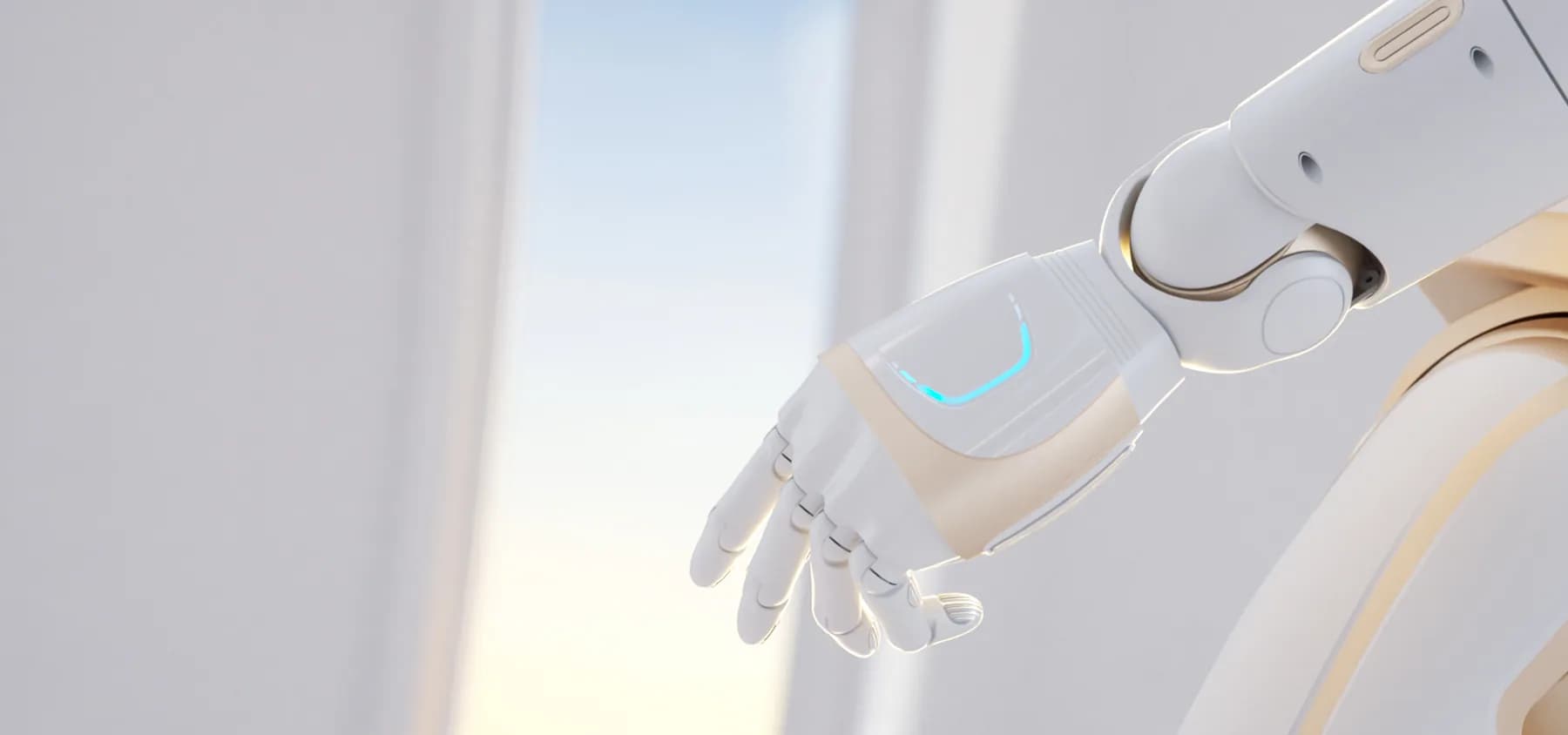
UBTech's next-generation large humanoid service robot, globally unveiled at WAIC 2021 in Shanghai on July 7, 2…
Height130 cm
Degrees of freedom41
Arm payload3 kg
HomeResearch
Price on request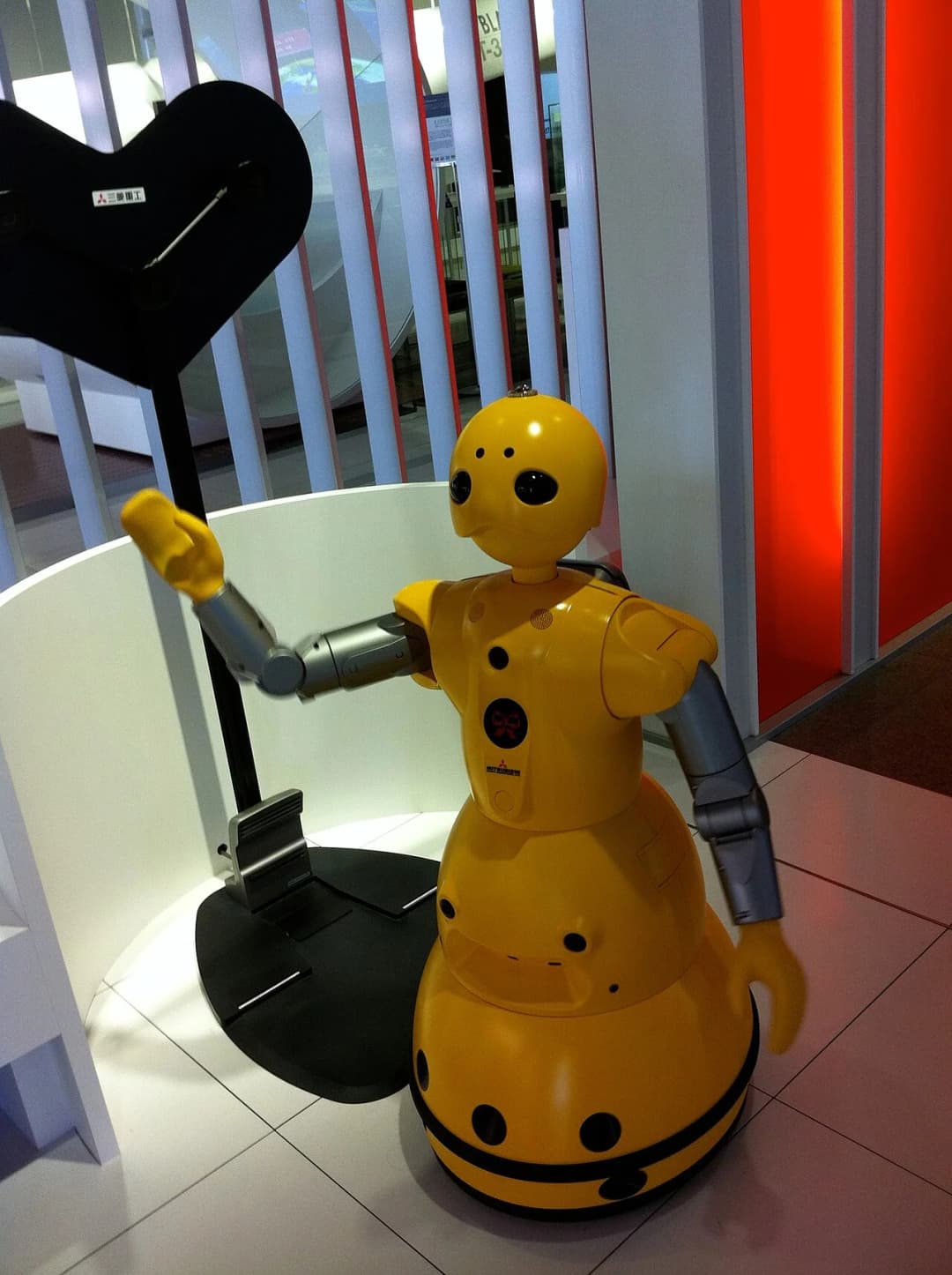
Mitsubishi's yellow 1 m domestic companion robot, an early attempt at a home humanoid.
Wakamaru is Mitsubishi Heavy Industries' 100 cm yellow domestic robot, announced on 2 February 2003 and put on sale in Japan in 2005 at about US$14,300-15,000. It moves on a single wheel at up to 1 km/h, runs Linux for about two hours per charge and uses cameras, ultrasonic and infrared sensors to avoid people while speaking in a deliberately non-threatening childlike form. Mitsubishi ran a 100-unit test sale to Tokyo households, rented units as receptionists from 2007 and never released a successor, leaving Wakamaru one of the defining Japanese domestic robots of the 2000s.
| Height | 100 cm |
|---|---|
| Form factor | Compact |
| Locomotion | Wheeled |
|---|---|
| Top speed | 1 km/h |
| Battery life | 2 h |
| Actuators | Single-wheel drive with two articulated arms. |
| Compute | Linux-based onboard computer with a broadband router, touch panel and charging station. |
|---|---|
| Sensing | Front camera, omnidirectional rotating camera, ultrasonic and infrared range sensors, bumper touch sensors and a directional microphone. |
| Hands | Simple hands at the end of each arm. |
| Availability | Discontinued. Produced and sold mainly in Japan; about 100 units in the 2005 household test sale, with no successor. |
|---|---|
| Target market | Japanese households and reception/guidance applications. |
| Software / OS | Linux-based proprietary communication and behaviour software. |
| Deployments & partners | Japanese households, reception desks and exhibitions; around 100 test units in Tokyo. |
| Safety & certifications | Ultrasonic and infrared obstacle detection, bumper stops and arms and wheels tested not to injure on contact. |
Claims on this profile are linked to primary reporting and manufacturer material where available.
Specifications are sourced from public materials and may change. Always confirm commercial terms with the manufacturer.
UBTech's next-generation large humanoid service robot, globally unveiled at WAIC 2021 in Shanghai on July 7, 2…

UBTech's consumer-grade full-size ultra-bionic humanoid, launched in Shenzhen on June 30, 2026 as the high-spe…
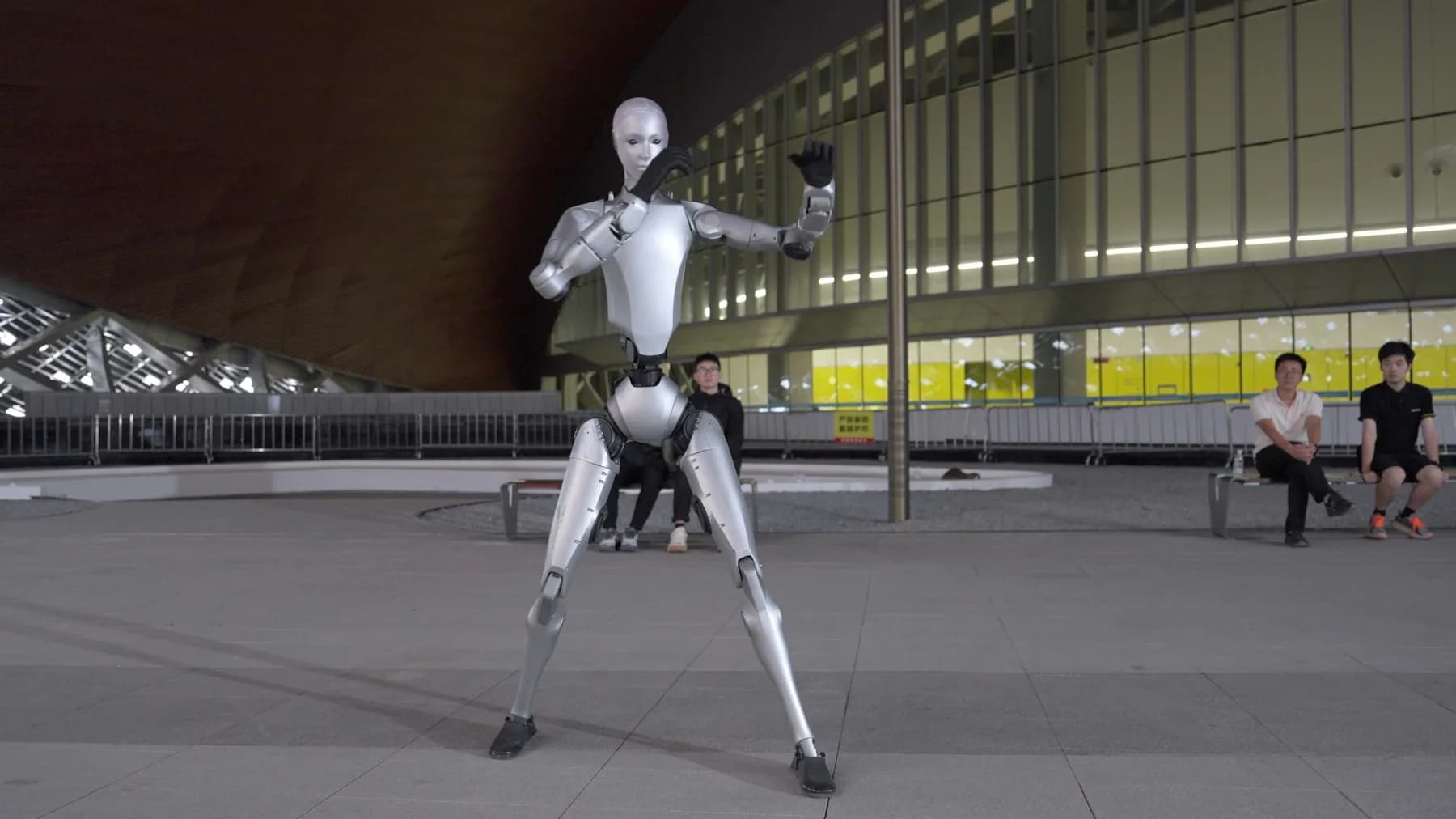
Unitree's fourth humanoid robot and second full-size model after the H1, launched on October 20, 2025 and desc…
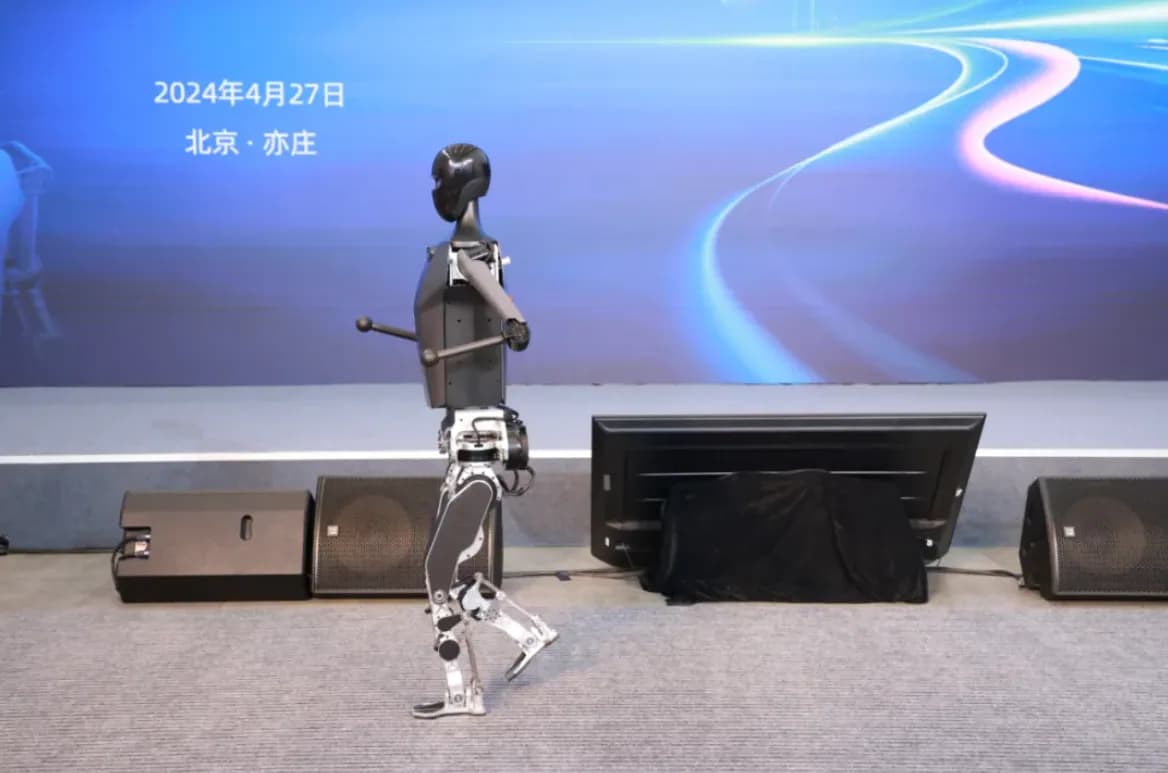
Beijing Humanoid Robot Innovation Center's flagship full-size humanoid platform, and the industry's first to a…