Mass production
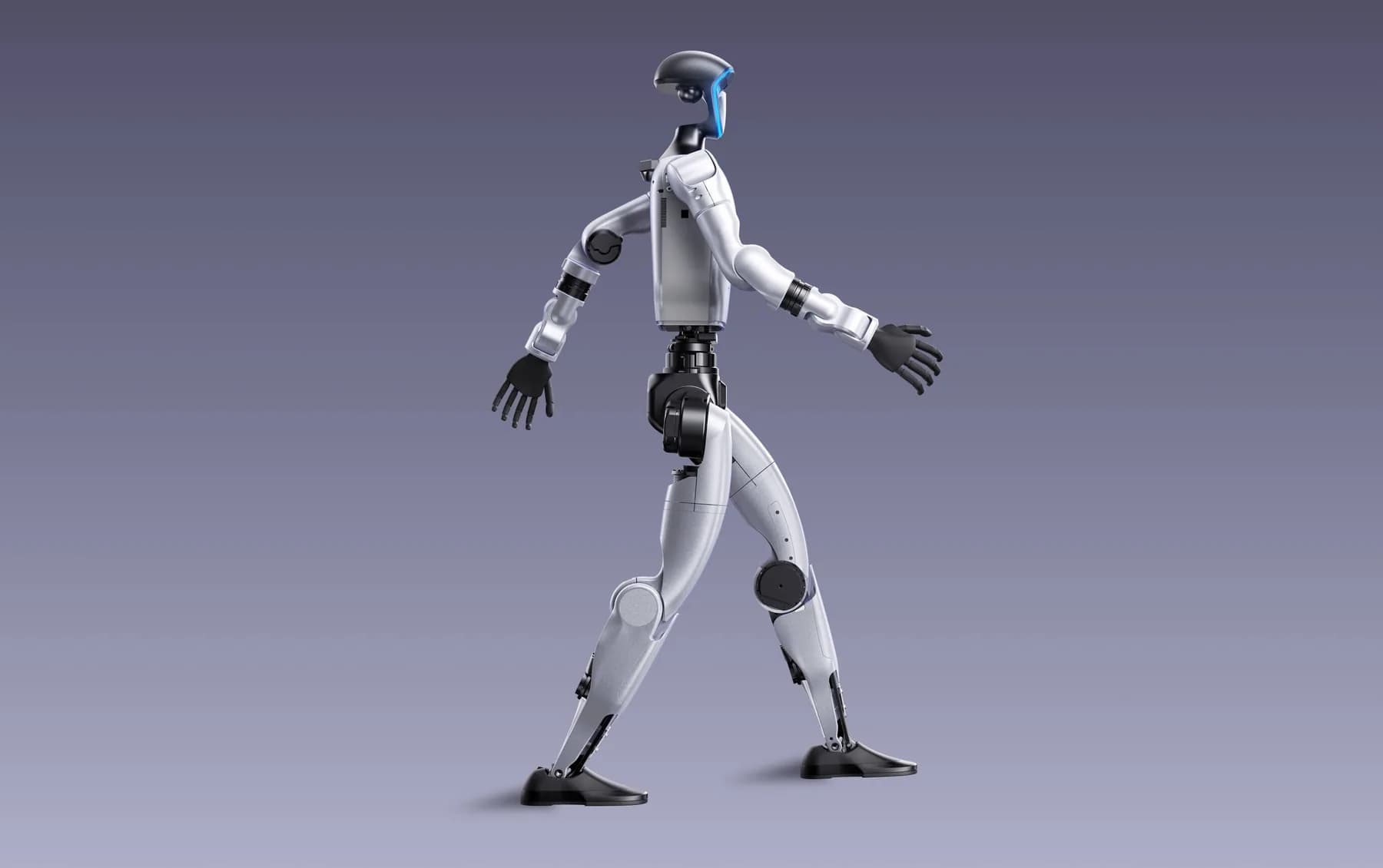
Unitree
G1
Unitree's second humanoid robot and first small-scale model, launched on May 13, 2024 and billed by the compan…
Height132 cm
Degrees of freedom23
Arm payload2 kg
ResearchIndustrial
CN¥99,000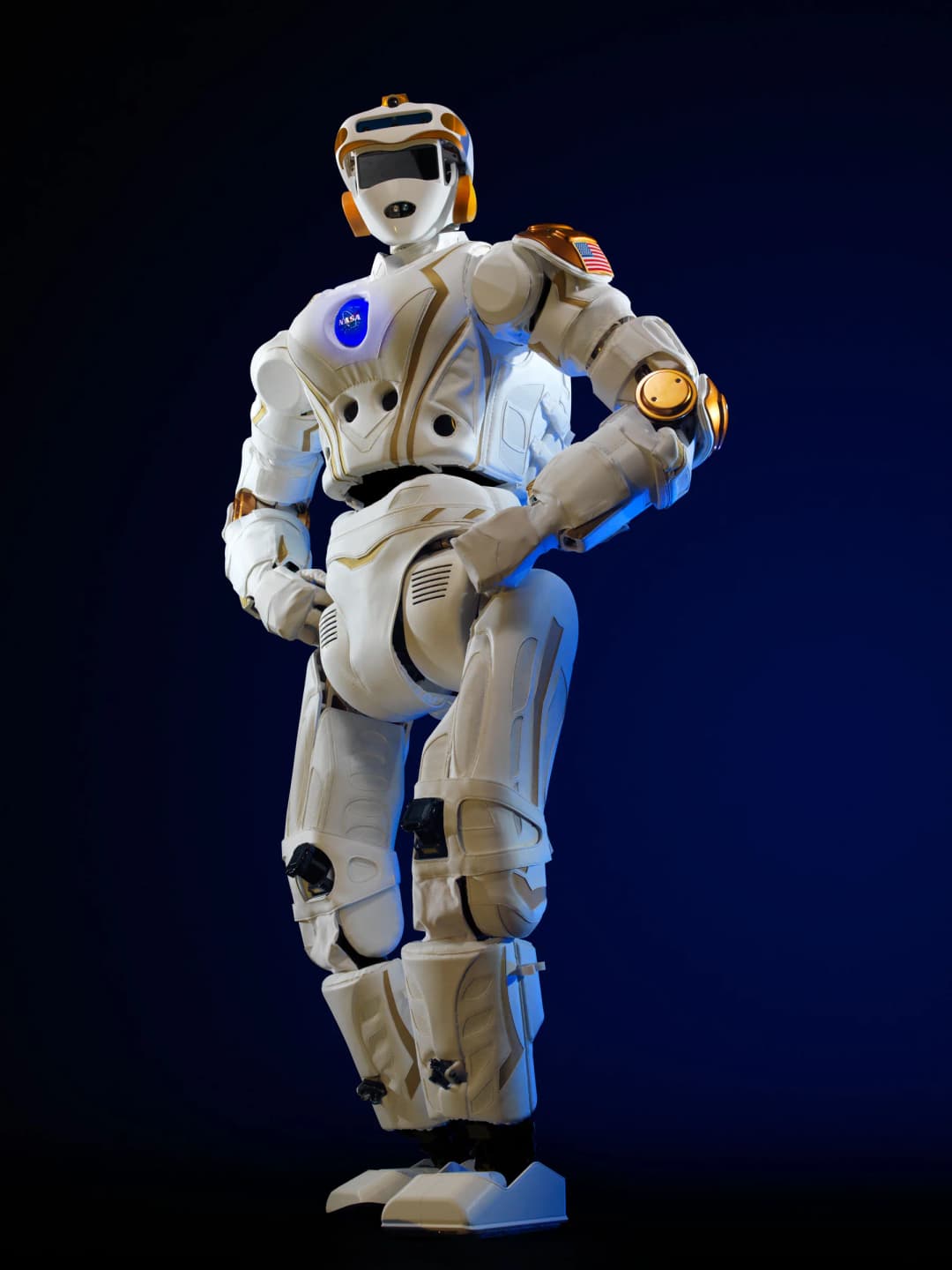
NASA's 1.88 m, 44-DOF biped, built for DARPA and future planetary exploration.
Valkyrie (R5) is NASA Johnson Space Center's first bipedal humanoid, built in 15 months for the 2013 DARPA Robotics Challenge Trials. The 1.88 m, 136 kg robot has 44 degrees of freedom, series-elastic actuators, a Multisense SL perception head and a 1.8 kWh battery for about an hour of operation. NASA later used it for Space Robotics Challenge research with IHMC walking software.
| Height | 188 cm |
|---|---|
| Weight | 136 kg |
| Form factor | Full-size |
| Locomotion | Bipedal |
|---|---|
| Degrees of freedom | 44 |
| Battery life | 1 h |
| Actuators | Series-elastic rotary actuators in the arms and legs; series-elastic linear actuators at the ankles and waist. |
| Compute | Two Intel Core i7 computers. |
|---|---|
| Sensing | Carnegie Robotics Multisense SL (lidar, stereo and IR structured light), fore/aft hazard cameras, dual IMUs and joint torque sensors. |
| Hands | Three fingers plus a thumb, with six finger actuators and a 3-DOF forearm/wrist. |
| Availability | Prototype |
|---|
Claims on this profile are linked to primary reporting and manufacturer material where available.
Specifications are sourced from public materials and may change. Always confirm commercial terms with the manufacturer.
Unitree's second humanoid robot and first small-scale model, launched on May 13, 2024 and billed by the compan…
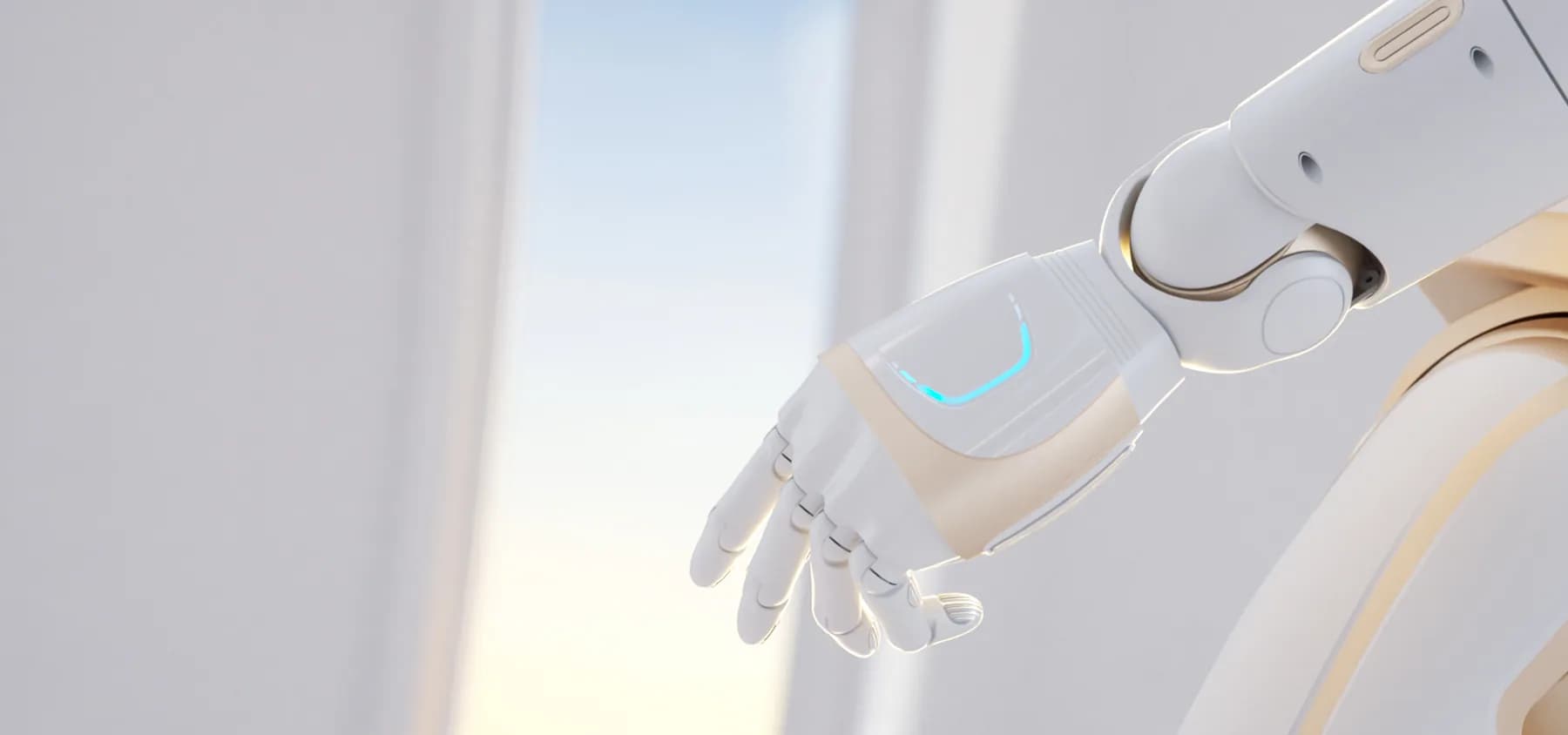
UBTech's next-generation large humanoid service robot, globally unveiled at WAIC 2021 in Shanghai on July 7, 2…
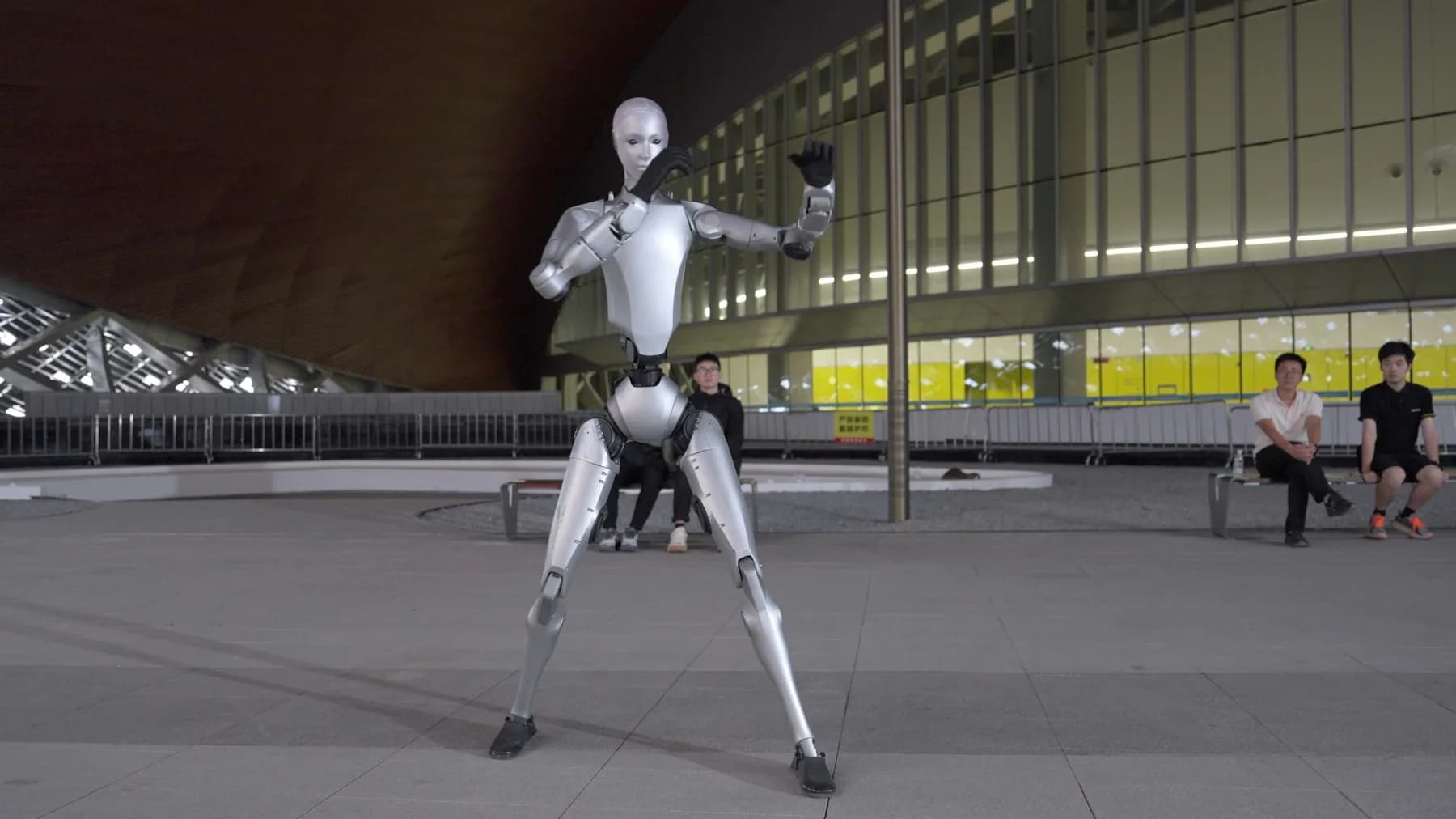
Unitree's fourth humanoid robot and second full-size model after the H1, launched on October 20, 2025 and desc…
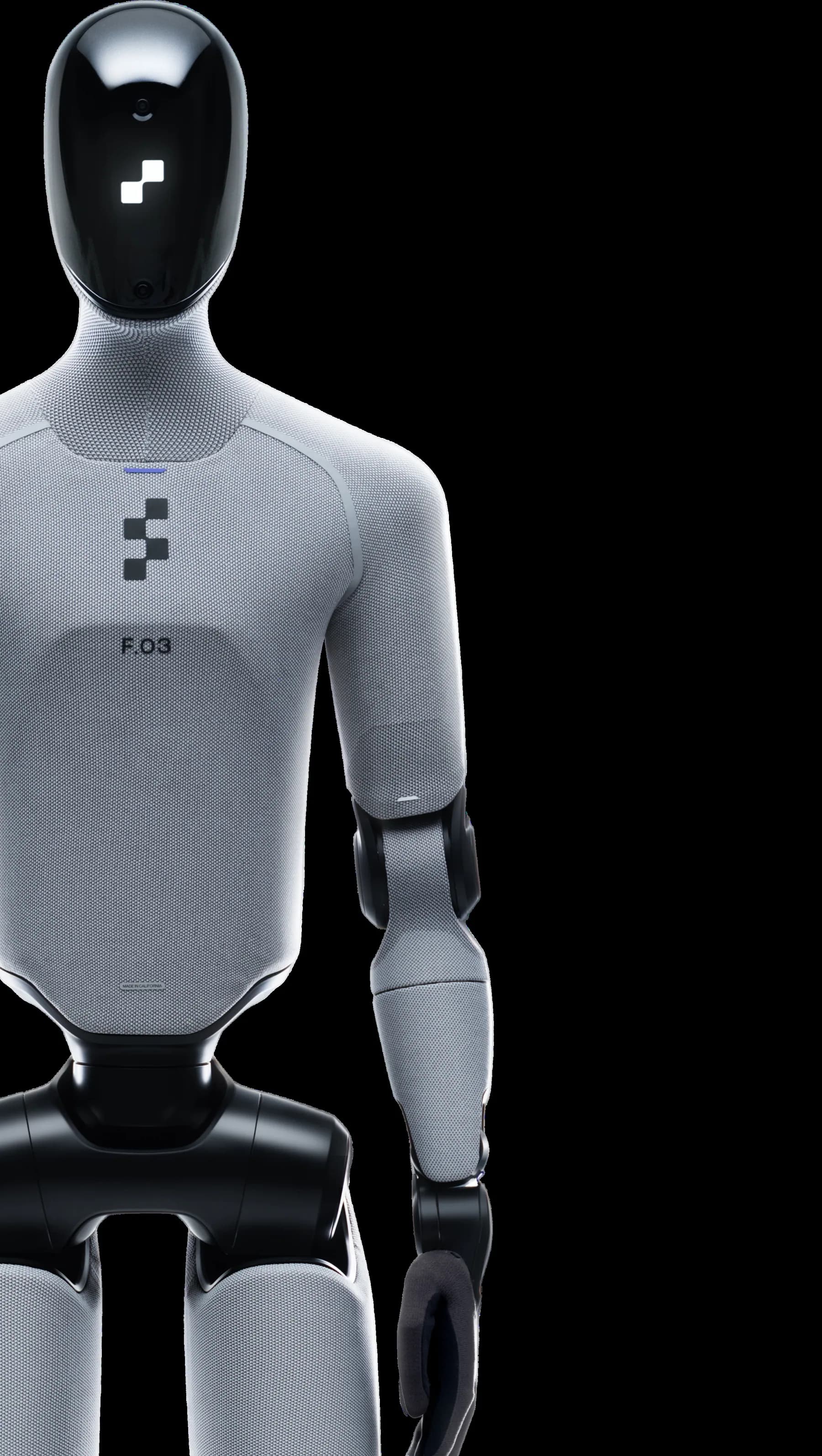
Figure 03 was officially launched on October 9, 2025, the same day as its TIME Best Inventions cover, and is F…